Getting an interview call means the company is already interested in you. But many candidates lose this opportunity because of small and avoidable mistakes. Interviews are not only about your skills. They are also about your attitude, preparation, confidence, and behavior. Even one wrong move can create a negative impression. Below are common interview mistakes explained in simple words, each described clearly so you can understand and avoid them.
1. Arriving Late (Or Too Early)
Arriving late to an interview immediately creates a bad first impression. It shows poor time management and lack of seriousness about the opportunity. Even if you have a genuine reason, the interviewer may feel you are not responsible. Being too early, like 30–40 minutes before the time, can also make things uncomfortable. It may disturb the interviewer’s schedule. Planning your travel in advance is very important. Always aim to reach 10–15 minutes before the scheduled time. This shows punctuality, professionalism, and respect for their time.
2. Not Researching the Company
Going into an interview without knowing about the company shows a lack of preparation. If you are interviewing at companies like Google or Amazon, and you don’t know what they do, it looks careless. Even smaller companies expect candidates to understand their services and goals. Research helps you answer questions more confidently. It also shows that you are genuinely interested in the role. Knowing their mission and recent updates can give you an advantage. Preparation always reflects seriousness and effort.
3. Dressing Inappropriately
Your appearance creates the first impression before you even speak. Wearing dirty, wrinkled, or overly casual clothes can make you look unprofessional. For corporate companies like Deloitte, formal dressing is usually expected. You don’t need expensive clothes, but they must be neat and clean. Proper dressing shows respect for the company and the interview process. It also increases your own confidence. When you look professional, you feel more prepared. A good appearance supports a strong first impression.
4. Speaking Negatively About Your Previous Employer
Talking badly about your previous boss or company is a serious mistake. It makes you appear unprofessional and negative. The interviewer may worry that you will speak badly about them in the future. Even if your past experience was difficult, keep your explanation calm and neutral. Focus on what you learned rather than what went wrong. Show maturity in how you handle challenges. Positive communication always creates a better image. Employers value candidates who remain respectful and professional.
5. Not Listening Carefully
Listening is just as important as speaking during an interview. If you don’t fully understand the question, your answer may not make sense. Many candidates rush to answer because they are nervous. This can lead to confusion and unclear responses. Take a few seconds to think before speaking. Careful listening shows patience and communication skills. It also helps you give more accurate answers. Good listening builds better conversation and understanding.
6. Giving Very Short or Very Long Answers
Very short answers may make you look uninterested or underprepared. On the other hand, very long answers can make the interviewer lose interest. Balance is very important during interviews. Try to give clear, structured, and relevant responses. Include examples when needed, but avoid unnecessary details. Organized answers show confidence and clarity. Practice speaking in a simple and direct manner. A well-balanced answer leaves a strong and professional impression.
7. Poor Body Language
Body language speaks loudly, even when you are silent. Avoid slouching, avoiding eye contact, or crossing your arms. These signs may show nervousness or lack of confidence. Sit straight and maintain natural eye contact with the interviewer. A gentle smile makes you appear friendly and positive. Avoid fidgeting or playing with objects. Confident body language strengthens your spoken words. Your posture and expressions should match your confidence.
8. Checking Your Phone During the Interview
Using or checking your phone during the interview looks disrespectful. It sends a message that you are distracted or not serious. Even glancing at notifications can leave a bad impression. Always switch off or silence your phone before entering the room. The interview time should be fully focused on the conversation. Giving complete attention shows professionalism. It also shows that you value the opportunity. Small habits like this matter a lot.
9. Being Overconfident or Arrogant
Confidence is important, but arrogance can harm your chances. Acting like you know everything may make you seem difficult to work with. Employers look for team players who respect others. Interrupting the interviewer or ignoring suggestions sends negative signals. Stay confident but humble in your approach. Show that you are willing to learn and grow. Respectful behavior creates trust. A balanced attitude makes you more likable.
10. Not Preparing for Common Questions
There are common questions asked in almost every interview. If you are not ready for them, it shows poor preparation. Questions like “Tell me about yourself” should be practiced in advance. Preparation helps you answer smoothly and confidently. It reduces nervousness during the interview. Think about real-life examples from your experience. Practicing aloud can improve clarity. Being prepared shows dedication and seriousness.
11. Ignoring Company Culture
Every company has its own work style and culture. Some companies are flexible and fast-paced, while others are structured. Large organizations like IBM may have formal systems and processes. Understanding company culture helps you adjust your answers accordingly. Employers prefer candidates who fit into their environment. Showing adaptability increases your chances. Cultural fit is often as important as skills.
12. Failing to Follow Up
Many candidates forget to follow up after the interview. Sending a short thank-you email shows professionalism. It expresses gratitude for the opportunity. It also reminds the interviewer about your interest in the role. A follow-up message keeps you fresh in their mind. It shows good manners and seriousness. Small professional gestures can create a big impact.
Conclusion
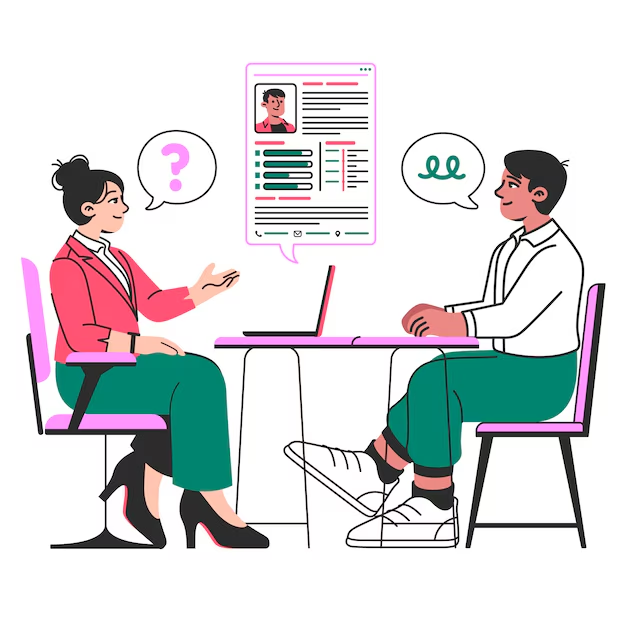
Interviews are more than just answering questions correctly. They are a complete evaluation of your personality, preparation, and professionalism. Small mistakes like being late, dressing poorly, or speaking negatively can quickly reduce your chances. Many candidates fail not because they lack skills, but because they overlook basic interview manners. The good news is that these mistakes are easy to avoid with preparation and awareness.
Researching the company, practicing common questions, and maintaining good body language can greatly improve your performance. Confidence combined with humility always creates a strong impression. When you respect the opportunity and present your best self, your chances of success increase naturally. Looking for personalised tips to tackle tough interview scenes? Then, feel free to avail our FREE 15-minute call with your counsellors.
Visit EnrichMyCareer for more information.
Frequently Asked Questions (FAQs)
1. Can one small mistake really ruin an interview?
Yes, sometimes it can, especially if it shows a lack of professionalism (like being late or disrespectful). However, small nervous mistakes are usually forgiven if your overall performance is strong.
2. Is it okay to say “I don’t know” in an interview?
Yes. It’s better to admit you don’t know something than to lie. You can say: “I’m not sure about that, but I would love to learn.”
3. How important is body language in interviews?
Very important. Interviewers observe your posture, eye contact, and confidence. Good body language can strengthen your answers, while poor body language can weaken them even if your answers are correct.
A content writer with a passion for crafting engaging content. Dedicated to continuous learning and innovative, excels at adapting diverse writing styles.