You can be good at your job, dependable, hardworking, and still earn much less than you should. It happens more often than people realise. The frustrating part is that being talented does not automatically lead to better pay.
In fact, some of the most capable employees stay in the same salary range for years because they assume their work will eventually be recognised. They keep taking on more responsibility, solving problems, and helping their team, while their salary barely changes.
So, why talented people stay underpaid often has less to do with their ability and more to do with how they communicate their value, negotiate, and approach their career.
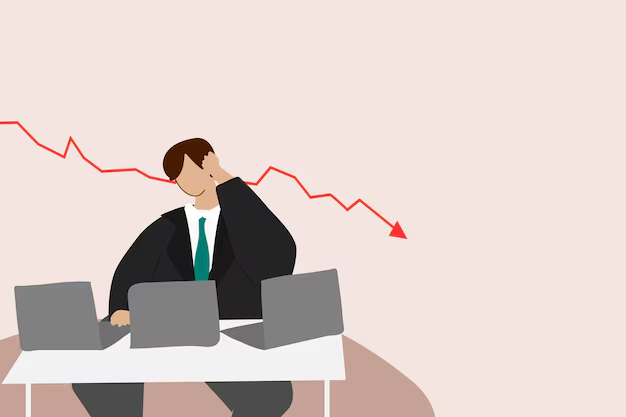
Being Good at Your Job Is Not the Same as Being Paid Well
One of the biggest reasons why talented people stay underpaid is that they expect good work to speak for itself. They think that if they consistently perform well, their manager will notice and offer a raise. Sometimes that happens. But in many workplaces, managers are focused on budgets, deadlines, team needs, and business priorities.
Your manager may know that you are valuable without automatically thinking, “This person deserves a significant salary increase.” If you never bring up your contribution, there is a chance that nobody will push the conversation forward for you.
Why Talented Employees Get Underpaid
Another reason why talented people stay underpaid is that they become comfortable being the reliable person. They accept additional work because they know they can handle it, solve problems without being asked, and stay late when something needs to be finished. Over time, the organisation starts depending on them. But more responsibility does not always mean more compensation.
This creates a frustrating situation where talented employees and low salary exist side by side. Your responsibilities can grow much faster than your pay if you never stop to question whether your compensation still matches your contribution.
You May Be Waiting for Someone Else to Notice
Many good employees do not like talking about money. They worry that asking for a raise will make them look greedy or dissatisfied. This is another reason why talented people stay underpaid. They wait for recognition instead of actively communicating what they have achieved.
There is nothing wrong with wanting fair compensation. Talking about your salary does not mean you are ungrateful for your job. If your responsibilities have changed significantly, it is reasonable to discuss whether your compensation should change too.
You May Not Know Your Market Value
Another important reason why talented people stay underpaid is that they do not know what similar roles are paying.If you have worked at the same company for several years, your salary may feel normal simply because it is the number you are used to seeing. But the market may have changed.
Learning how to know if you are underpaid starts with understanding what people with similar skills, experience, location, and responsibilities are earning. This does not mean comparing your salary with a random number you find online. Look at several sources and consider the actual responsibilities attached to those roles.
Staying Too Long Without Negotiating
Salary negotiation for employees is not something that should happen only when accepting a new job. Your role can change after you join a company. You may become responsible for larger projects, manage people, work with important clients, or develop skills that were not part of your original job description.
If your role has changed significantly, your compensation deserves a conversation too. Learning how to negotiate a higher salary can feel uncomfortable at first, but avoiding the conversation completely can have a long-term effect on your earnings.
Why Employers Underpay Talented Employees
It is not always because an employer deliberately wants to underpay someone. Sometimes there are fixed budgets, salary structures, timing issues, or internal policies involved. However, why talented people stay underpaid can become a problem when employees continue accepting the same compensation despite taking on more value.
Employers generally have little reason to change an arrangement that is working for them unless there is a reason to review it. That is why employees need to understand their own value and communicate it clearly.
Your Career Growth and Salary Should Not Be Separate
Career growth and salary are often discussed as though they are completely different things. They are not. Learning new skills, taking on more responsibility, becoming more specialised, and delivering stronger results can increase your professional value.
If your career keeps moving forward while your compensation remains unchanged for years, it is worth asking why talented people stay underpaid and whether you are advocating for yourself strongly enough. You do not have to leave your company immediately. Sometimes the first step is simply having an honest conversation.
How to Get Paid What You Are Worth
Getting paid what you are worth starts with understanding what you bring to the table. Keep track of your achievements instead of trying to remember them when appraisal season arrives. Know the responsibilities you have taken on. Research the market. Understand the skills that make you valuable. Then learn to communicate those things without apologising for asking to be compensated fairly.
This is ultimately why talented people stay underpaid: they often focus so heavily on doing excellent work that they forget to manage the business side of their own careers. Being talented is important. Making sure your value is recognised is equally important.
Conclusion

Why talented people stay underpaid is rarely explained by a lack of ability. More often, it comes down to staying silent, assuming hard work will automatically be rewarded, avoiding salary conversations, or failing to understand their market value. Your employer cannot always know how your responsibilities have changed or what you believe your contribution is worth.
You do not need to demand more money aggressively. You need to understand your value, communicate your results, and be willing to have professional conversations about compensation.
Your career is something you have to manage, not simply something you have to work hard at. Feeling talented but underpaid, frustrated by slow salary growth, or unsure how to ask for the compensation you truly deserve? Then feel free to avail our FREE 15-minute call.
Visit EnrichMyCareer to get expert guidance, understand your professional value, strengthen your salary negotiation skills, and move confidently toward a career that truly supports your growth…
Frequently Asked Questions
1. Why do good employees stay underpaid?
Good employees can stay underpaid because they do not negotiate, do not research their market value, or assume strong performance will automatically lead to higher pay. They may also take on additional responsibilities without discussing compensation.
2. How do I know if I am underpaid?
Compare your compensation with current market ranges for similar roles while considering your experience, location, skills, and responsibilities. Your responsibilities increasing significantly without a corresponding salary review can also be a sign.
3. How should I ask for a salary increase?
Start by discussing your contribution and recent results rather than simply saying you want more money. Explain how your responsibilities have grown and ask whether your compensation can be reviewed based on your current role and performance.

A content writer with a passion for crafting engaging content. Dedicated to continuous learning and innovative, excels at adapting diverse writing styles.