

Many people use the words stress and burnout as if they mean the same thing. In workplace conversations, it is common to hear someone say, “I am burned out,” when they are actually stressed. While stress and burnout are closely connected, they are not the same experience.
Understanding the difference is important because the way you handle stress is often different from the way you recover from burnout. Stress can sometimes motivate you to work harder and meet deadlines. Burnout, on the other hand, often leaves you feeling emotionally exhausted, disconnected, and unable to care about work at all.
In today’s workplaces, where employees face tight deadlines, constant communication, and increasing responsibilities, both stress and burnout have become common. However, recognizing which one you are experiencing is the first step toward dealing with it effectively.
What Workplace Stress Really Feels Like
Stress is usually the result of too many demands in too little time. It happens when your workload feels overwhelming, when deadlines are approaching, or when you are facing pressure to perform.
Imagine you have several important projects due at the same time. Your inbox is full, meetings keep getting added to your calendar, and your manager expects quick results. You may feel anxious, tense, and mentally overloaded. Your mind races with everything that needs to be done.
Even though stress feels uncomfortable, there is often still energy behind it. A stressed employee may feel overwhelmed, but they usually still care about their work and want to perform well. They are worried because they want things to succeed.
What Workplace Burnout Really Feels Like
Burnout goes much deeper than stress. It is what can happen when workplace stress continues for a long time without enough recovery, support, or balance. Instead of feeling like there is too much to do, burnout often feels like you have nothing left to give. The energy, motivation, and enthusiasm you once had begin to disappear.
An employee experiencing burnout may wake up feeling exhausted before the workday even starts. Tasks that once felt manageable now seem impossible. Meetings become draining. Emails feel overwhelming. Even small responsibilities can feel emotionally heavy. Unlike stress, burnout is not just about being busy. It is about feeling emotionally depleted. Many people experiencing burnout stop caring about work because they simply do not have the mental energy left to care.
Stress Makes You Feel Overwhelmed. Burnout Makes You Feel Empty.

One of the biggest differences between stress and burnout is the emotional experience behind them. When you are stressed, you often feel overwhelmed. Your mind is crowded with worries, deadlines, and responsibilities. You may feel anxious, frustrated, or under pressure.
When you are burned out, the feeling is often emptiness rather than overwhelm. Instead of caring too much, you may stop caring altogether. Instead of feeling anxious about work, you may feel disconnected from it. Stress feels like drowning in responsibilities. Burnout feels like losing the strength to swim.
Stress Is Often Temporary. Burnout Usually Builds Slowly.
Workplace stress can come and go. You may feel stressed during a busy week, an important project, or a challenging period at work. Once the situation improves, your stress levels often decrease. Burnout develops over time. It rarely appears overnight.
Many employees ignore early warning signs because they assume they are simply having a difficult week. Weeks turn into months. The pressure continues. Recovery never happens. Eventually, exhaustion becomes a constant part of daily life. By the time burnout becomes obvious, it has often been building quietly for a long period.
Physical Symptoms Look Different Too
Both stress and burnout affect the body, but the experience often feels different. Stress frequently creates feelings of tension. Employees may experience headaches, muscle tightness, difficulty sleeping, increased heart rate, or nervousness.
Burnout often creates deeper exhaustion. People may feel physically drained, even after resting. They may struggle to get out of bed, feel constantly tired, or experience a lack of energy throughout the day. While stress activates the body into a state of alertness, burnout often leaves the body feeling depleted.
How Workplace Culture Contributes to Both
Workplace culture plays a major role in both stress and burnout. A demanding project or busy season can create temporary stress, and that is not always a bad thing. Healthy workplaces recognize these periods and provide support when employees need it.
Problems arise when high pressure becomes the normal way of working. Constant overtime, unrealistic expectations, poor leadership, lack of recognition, and limited support can gradually push employees toward burnout. Employees often do not burn out because of one difficult week. They burn out because difficult weeks become the standard experience for months or even years.
Why Many Employees Miss the Warning Signs
One reason burnout is so dangerous is that it often looks similar to stress in the beginning. People tell themselves they just need to work harder, stay motivated, or push through the difficult period. They assume the exhaustion will eventually go away.
But burnout does not usually improve through harder work. In many cases, continuing to push yourself without addressing the underlying problem makes things worse. The transition from stress to burnout can happen so gradually that people do not realize it until their emotional energy is almost completely gone.
Recovery Looks Different for Stress and Burnout
When someone is stressed, recovery often involves rest, better time management, and temporary relief from pressure. A vacation, a weekend break, or completing a major project may help reduce stress levels. Burnout usually requires more significant changes. Recovery often involves addressing deeper issues such as workload, workplace boundaries, lack of support, or unhealthy work habits.
Simply taking a few days off may not fully solve burnout because the problem often goes beyond temporary fatigue. Recovery requires rebuilding emotional energy and creating a healthier relationship with work.
Conclusion
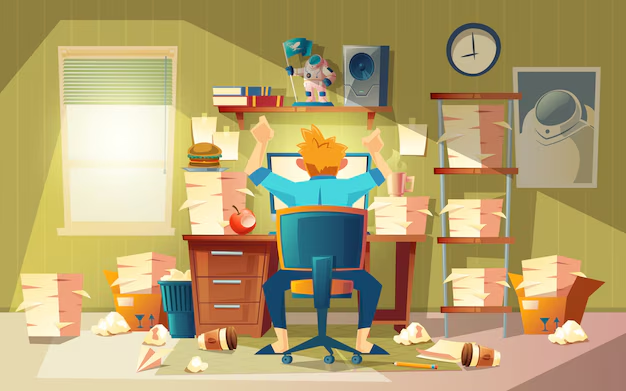
Stress and burnout may seem similar, but they are very different experiences. Stress is often about having too much to handle, while burnout is about having too little energy left to handle anything at all. One can make you feel overwhelmed, anxious, and pressured. And the other can make you feel emotionally exhausted, disconnected, and empty. While stress is often temporary, burnout tends to develop gradually when workplace pressure continues without enough recovery.
Recognizing the difference matters because the solutions are not the same. The earlier employees and employers identify the warning signs, the easier it becomes to create healthier, more sustainable work environments. Feeling constantly exhausted at work, struggling to understand whether you’re dealing with stress or burnout, or unsure how to regain balance in your career? Then feel free to avail our FREE 15-minute call.
Visit EnrichMyCareer to get expert guidance, gain clarity on your work challenges, and build a career that supports both your professional growth and well-being.
Frequently Asked Questions
1. Can stress turn into burnout?
Yes. Long-term workplace stress that continues without proper recovery, support, or balance can eventually develop into burnout.
2. How do I know if I am stressed or burned out?
If you still care deeply about your work but feel overwhelmed, you may be experiencing stress. If you feel emotionally exhausted, disconnected, and unmotivated for an extended period, it may be a sign of burnout.
3. Can burnout be fixed by taking a vacation?
A short break may help temporarily, but burnout often requires bigger changes such as healthier boundaries, workload adjustments, and long-term recovery strategies.

A content writer with a passion for crafting engaging content. Dedicated to continuous learning and innovative, excels at adapting diverse writing styles.