
There’s a particular kind of stress that doesn’t come from working too hard but from not knowing what’s coming next.
You show up, do your job, meet expectations, and still feel a quiet unease in the background. A passing comment from your manager, a company restructuring rumor, or even a delayed response to your email can trigger a wave of overthinking. It’s not always loud, but it’s constant. This is the psychological weight of job insecurity, and its connection to anxiety is deeper than most people realize.

What Is Job Insecurity, Really?
Job insecurity isn’t just about losing a job. It’s about the perception that your position is unstable or uncertain. Even if nothing has changed officially, the feeling that your role could disappear or that you’re replaceable can be enough to create stress. This uncertainty keeps your mind in a state of alertness, always scanning for potential threats. Over time, this constant vigilance becomes exhausting, both mentally and emotionally.
Why Uncertainty Triggers Anxiety
The human brain is wired to prefer certainty. When outcomes are unclear, the brain tries to fill in the gaps, often with worst-case scenarios. Job insecurity feeds this tendency. Instead of focusing on the present, your thoughts jump to “What if I lose this job?” or “What will I do next?” This cycle of anticipation creates anxiety, not because something bad has happened, but because it might. The lack of control makes the situation feel even more overwhelming.
The Subtle Signs You Might Be Experiencing It
Job insecurity doesn’t always show up as obvious panic. It often appears in subtle, everyday behaviors. You might find yourself overworking to prove your value, constantly seeking reassurance, or hesitating to take breaks. Small feedback can feel disproportionately intense, and you may start doubting your abilities. Sleep disturbances, irritability, and difficulty focusing are also common. These signs often go unnoticed because they feel like “just part of work,” but they’re actually indicators of underlying anxiety.
How It Affects Your Performance
Ironically, the fear of losing your job can reduce your ability to perform well. When anxiety takes over, your focus shifts from doing your work effectively to avoiding mistakes at all costs. This pressure can lead to overthinking, slower decision-making, and reduced creativity. Instead of working confidently, you become cautious and self-critical. Over time, this can create a cycle where anxiety impacts performance, and performance concerns increase anxiety.
The Emotional Toll of Feeling Replaceable
One of the most difficult aspects of job insecurity is the feeling of being replaceable. When you start believing that your contributions don’t truly matter, it affects your self-worth. Work is not just about income; it’s also tied to identity, purpose, and confidence. Feeling uncertain about your place can make you question your value, not just as an employee, but as a person. This emotional impact often extends beyond the workplace, affecting your overall well-being.
Why Early-Career Professionals Feel It More
Job insecurity tends to hit harder when you’re just starting. Without a long track record or strong professional network, it’s easy to feel vulnerable. You may compare yourself to others, worry about making mistakes, or feel like you’re constantly being evaluated. The pressure to “prove yourself” can intensify anxiety. At this stage, every opportunity feels crucial, and the fear of losing one can feel overwhelming.
The Role of Workplace Culture
Not all anxiety comes from within; sometimes, it’s reinforced by the environment. Workplaces with poor communication, unclear expectations, or inconsistent feedback can amplify insecurity. When employees don’t know where they stand, they’re more likely to assume the worst. A lack of transparency creates space for doubt, and doubt fuels anxiety. On the other hand, supportive and communicative environments can significantly reduce these feelings.
The Impact on Mental and Physical Health
Chronic anxiety caused by job insecurity doesn’t stay limited to your thoughts. It affects your body as well. You may experience fatigue, headaches, muscle tension, or changes in appetite. Over time, prolonged stress can weaken your immune system and impact your overall health. Mentally, it can lead to burnout, reduced motivation, and even symptoms of depression. This shows how deeply work-related uncertainty can influence your entire life.
Breaking the Cycle of Anxiety and Insecurity
While you can’t always control external factors, you can manage how you respond to them. One of the first steps is recognizing what is within your control: your skills, your effort, and your growth. Instead of focusing on “What if I lose this job?” shift to “How can I strengthen my position?” Building skills, staying adaptable, and maintaining a learning mindset can create a sense of stability from within.
It’s also important to set mental boundaries. Not every thought deserves your attention. When you notice yourself spiraling into worst-case scenarios, gently redirect your focus to the present moment. Practicing mindfulness, journaling, or even talking to someone you trust can help reduce the intensity of these thoughts.
Building a Sense of Security from Within
True job security doesn’t come from a single role; it comes from your ability to adapt and grow. When you invest in your skills, expand your network, and stay open to opportunities, you create a safety net for yourself. This doesn’t eliminate uncertainty, but it reduces its power over you. Confidence built on self-awareness and growth is far more stable than confidence tied to a job title.
Conclusion
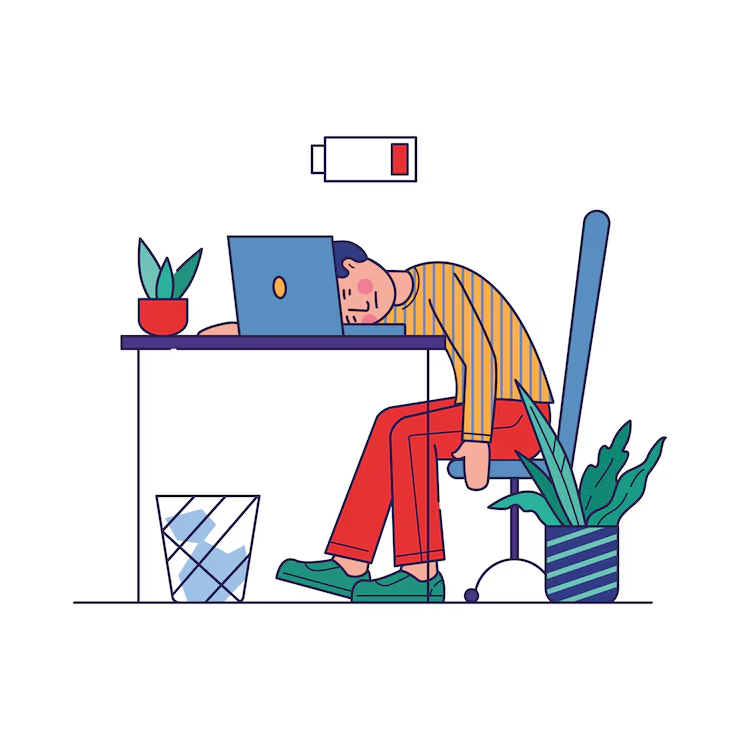
Job insecurity and anxiety are deeply connected because both revolve around uncertainty and control. When your professional stability feels uncertain, it naturally triggers fear and overthinking. But while you may not control every external situation, you can control how you prepare, respond, and grow.
The goal is not to eliminate uncertainty; it’s to become stronger in the face of it. By focusing on your skills, maintaining perspective, and taking care of your mental well-being, you can reduce the hold that anxiety has on you. Because at the end of the day, your value is not defined by a single job, it’s defined by your ability to evolve beyond it.
Want personalized tips to tackle this? Then, feel free to avail our FREE 15-minute call with us.
Visit EnrichMyCareer for more information.
Frequently Asked Questions
1. Can job insecurity cause long-term anxiety?
Yes, prolonged job insecurity can lead to chronic stress and anxiety if not addressed. Over time, this can impact both mental and physical health, making it important to recognize and manage early signs.
2. How can I feel more secure in an uncertain job?
Focus on what you can control: developing skills, building a network, and staying adaptable. These factors create a sense of stability even when external conditions are uncertain.
3. Should I leave a job if it constantly makes me anxious?
If the anxiety is persistent and affecting your well-being, it may be worth exploring other opportunities. However, it’s important to assess whether the anxiety is situational or internal before making a decision.

Nishant is an Internationally Certified Career Coach, a Career Counsellor, an Education Consultant, a Soft Skills Trainer, and an ardent advocate of youth empowerment through personalized guidance, mentoring, and developmental interventions. He is also an International Economic Development and Business Consultant. Over the years, he has helped many students of different age groups and working professionals in discovering their true selves, setting appropriate career goals, and walking the right career paths.
Nishant is a mechanical engineering alumnus from R.V. College of Engineering, Bangalore. He has been widely featured in top media and also delivered talks at Cambridge University-UK and IIT-Guwahati among others. He has also delivered workshops at many reputed schools and colleges on various careers and skills-related topics.