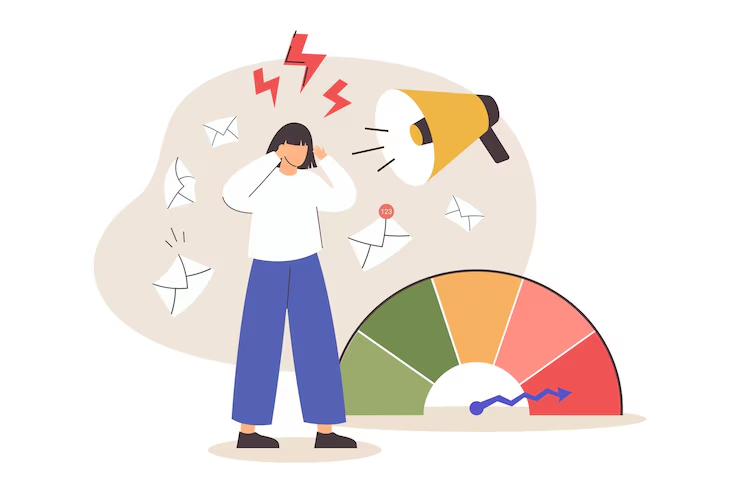
It’s normal to have a rough day at work. It’s not to have only unpleasant days. You may be experiencing job burnout if you frequently feel like you had a rough day at work and are dealing with stress, sleeplessness, and behavioral problems.
Unfortunately, it’s more common than you might expect to experience career burnout. Organizations frequently use absence management software to build unique leave policies with flexible approval workflows in an effort to prevent their employees from experiencing job burnout.
By doing this, every business may create a leave policy that is focused on the requirements of its workers, enabling them to take advantage of the paid time off, vacation days, and sick leave to which they are legally entitled. You must be aware of the types, reasons, and other aspects of burnout in order to prevent it.
What are the three different forms of burnout at work?

No two people are the same when it comes to burnout. It can take many different forms, depending on your work habits, surroundings, and personality. A person may experience one of three types of burnout at work, each with different causes and degrees of severity.
i. Anxious burnout
When someone devotes too much of their energy to their profession or workplace, it can lead to frenetic burnout. Anxiety and the perception that rewards for performing well aren’t commensurate with the time and effort they put into their profession are the repercussions of this. When someone works at a level that exhausts them, they experience chaotic burnout in the absence of a good work-life balance.
ii. Underchallenged burnout
People are more likely to suffer from underchallenged burnout if they feel stuck in a boring career or an uninteresting workplace. They will be more irritable and have a poorer mood since they feel trapped in a role with little job fulfillment.
iii. Exhausted burnout
When someone gives up after working in a setting that continuously causes high levels of stress or that provides nothing in the way of incentives or recognition, it’s known as worn-out burnout. After months (or years) of coping with ongoing stress and not seeing any improvement, this form appears. You’ve made an effort to maintain your motivation, but the lack of encouragement, progress, or feedback has made you wonder, “Why bother?” You might begin to let things go because you have nothing left to offer, not because you don’t care.
What are the typical reasons for burnout at work?
i. Poor workplace dynamics or a dysfunctional work environment can lead to burnout. A manager who micromanages or a coworker who is perceived as an office bully can both cause extreme stress and emotional tiredness, which are indicators of job burnout.
ii. Uncertain job expectations or duties are another factor to watch out for. Job burnout can result from feeling confused or uncomfortable at work due to not knowing what your supervisor or coworkers expect of you.
iii. Burnout can result from an unhealthy work-life balance. An individual won’t have the stamina to spend time with family and friends, engage in self-care activities, or pursue hobbies they enjoy if they spend most of their time at work or performing work-related chores. They will soon become burned out if this is the case.
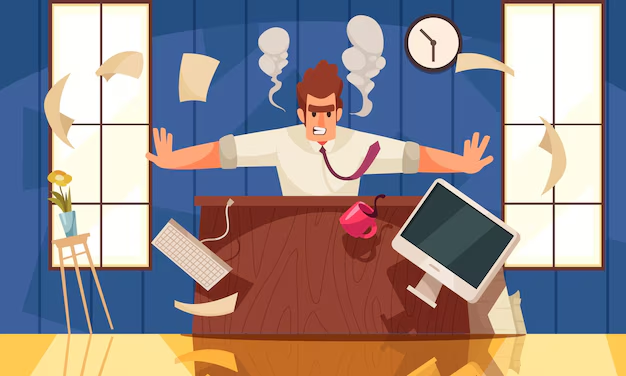
Stages of job burnout
1. Happy Phase
When someone begins a new work or endeavor, it is known as the “happy phase,” and it is typically met with a high degree of dedication, vigor, inventiveness, and self-worth. Since a person is full of energy and driven to succeed, there are no true indications of burnout during this stage. But it’s also typical for someone to believe they can take on more work than they should during this stage.
2. Anxiety
A person in the second stage of burnout will become aware that certain days are more stressful than others. There doesn’t appear to be enough time for personal activities, friends, family, or fun activities in general. A person’s profession, career, or particular project seems to be the most significant aspect of their existence.
3. Chronic strain
When people reach stage three, chronic stress, they have started to experience high levels of stress at work, which makes them feel helpless and out of control. Here, a person has gone from feeling driven and content to frequently dealing with pressure and extremely stressful circumstances. As a result, their performance sharply declines and their ability to solve problems has lessened.
4.Burnout
The last stage, known as burnout, occurs when the symptoms become deeply rooted in your life that they may result in serious, persistent, and perhaps fatal mental, physical, and emotional issues.
Consequences of job burnout
i. Mental instability: Prolonged emotional depletion can manifest as irritability, mood swings, and emotional numbness. You may get easily agitated or emotionally detached.
ii. Tiredness and insomnia: Your mind may race at night, preventing you from falling or staying asleep, even if you’re physically exhausted. Deep fatigue and mental fog eventually result from this, making day-to-day tasks more difficult.
iii. Depression or suicidal thoughts: Severe burnout can result in profound emotional detachment, despair, and thoughts of giving up. These are grave warning signs of mental illness that should never be disregarded.
What should you do if you’re feeling burned out at work?
i. Reassess your priorities
Consider reassessing your top priorities. Burnout is usually the result of something in your life being out of balance or not functioning, which indicates that it’s time to reset your priorities.
Take some time to consider your aspirations, hopes, and dreams, both personally and professionally. You might need to establish new limits for yourself in both your personal and professional life. Saying no to more requests that come your way will help you avoid overextending yourself.
ii. Seek out those who are concerned about you
Being burned out at work is not something you have to deal with on your own. Consider asking for assistance from others in your life if you’re under extreme stress and don’t know how to get your life back on track.
Think about making friends with your peers or coworkers. Having this buffer at work gives you the chance to network during lunch, coffee breaks, and after-work social gatherings.
iii. Put self-care first
Finally, but just as importantly, make a significant investment in improved mindfulness and self-care. Everyone has a different definition of self-care, so what you consider appropriate might not be suitable for someone else.
Want more personalised tips to tackle burnout at work? Then, feel free to avail our FREE 15-minute call.
Visit EnrichMyCareer for more information.
Frequently Asked Questions
1. How can I tell if I’m just having a bad week or actually experiencing burnout?
A rough week usually improves with rest or time off. Burnout, however, feels persistent. If exhaustion, irritability, lack of motivation, sleep issues, or emotional numbness continue for weeks or months despite breaks, it’s likely more than temporary stress and needs attention.
2. Can burnout happen even if I don’t hate my job?
Yes. Many people experience burnout while still liking their job or believing in their work. Burnout is often caused by prolonged stress, lack of boundaries, unclear expectations, or emotional overload not just dissatisfaction with the role itself.
3. Is burnout something I can fix on my own, or do I need professional help?
Mild burnout can sometimes improve with better boundaries, rest, and self-care. However, if symptoms include chronic exhaustion, anxiety, depression, or thoughts of giving up, seeking support from a mentor, counselor, or mental health professional.

A content writer with a passion for crafting engaging content. Dedicated to continuous learning and innovative, excels at adapting diverse writing styles.