Many people take extended breaks from their employment for a variety of reasons. You may take a job hiatus to care for a loved one, become a stay-at-home parent, travel, or pursue your ambition to be an entrepreneur. Whatever the cause, returning to work after a career break might be difficult, but with little planning, optimism, and perseverance, you can succeed in your next endeavor.
What does it mean to have a break from work?

Any time you are not working is considered as a break from work. An employee may miss work for a variety of reasons, such as a personal injury or illness, taking care of a family member, or considering volunteering for a year. People can take on projects that will improve their employability in the future, stay in touch with their network, and develop new and existing skills even while they are away.
How to rejoin the workforce following an extended break?
Even without a break, the job search process can be intimidating, but if you simplify your actions into the following steps, you should be able to concentrate on your objective of finding a new position.
1.Begin your job search with a goal in mind
Evaluating your circumstances and concentrating on your needs is one of the first steps in going back to work. Examine your training and experience, but also consider your abilities, hobbies. And what you would most like in a new job and an employer. Keep in mind that since your prior work, your interests and skill set may have evolved. You may reduce the likelihood of job-hopping and improve your chances of being content in your new employment. By concentrating on what you want from a new role and tailoring your job search accordingly.
2. Focus on Networking
Find ways to grow your network by joining associations for professionals, going to conferences focused on your field, and attending networking events where you can meet others who share your interests or learn something new. By expanding your network, you can meet people who might know of openings in the industry or who are hiring managers themselves seeking a new hire. In your employment quest, these people can potentially act as mentors or references.
3. Update your resume
In order for the hiring manager to learn more about your job gap, you might also need to update your resume with new abilities you’ve acquired throughout your absence. You can go into greater detail in your cover letter on how your extended leave and any actions you took during that time relate to the job you’re looking for and make you a strong contender.
4. Get ready for the interview
Giving a fantastic interview is one technique to get a job back. Practice your responses to questions on your absence in order to be ready for your interview. When crafting your response, discuss what you did while taking a career sabbatical and think about justifying your decision. To give the hiring manager the impression that you are a strong candidate for the position, project confidence in your answers.
5. Consult a career coach for assistance
You can apply for jobs you’re interested in with the assistance of a career coach. Additionally, a career coach may help you focus, show you how to network, and provide you advice on how to use job searches to identify the employment that most interest you.
You can also think about career returner programs, which are designed to assist you in returning to the job after a period of absence. These programs may include workshops linked to employment and match you with a mentor.
If you are someone who took a career break and now want to return to the workforce but is confused with what to do, then feel free to avail FREE 15-minute call with us.
Visit EnrichMyCareer for more information.
Tips for returning to work after a career break
1.Obtain a certification
A certificate in a course relevant to the positions you’re seeking for will demonstrate to a hiring manager your commitment to the position and your willingness to develop new skills.
2. Pay attention to your soft skills
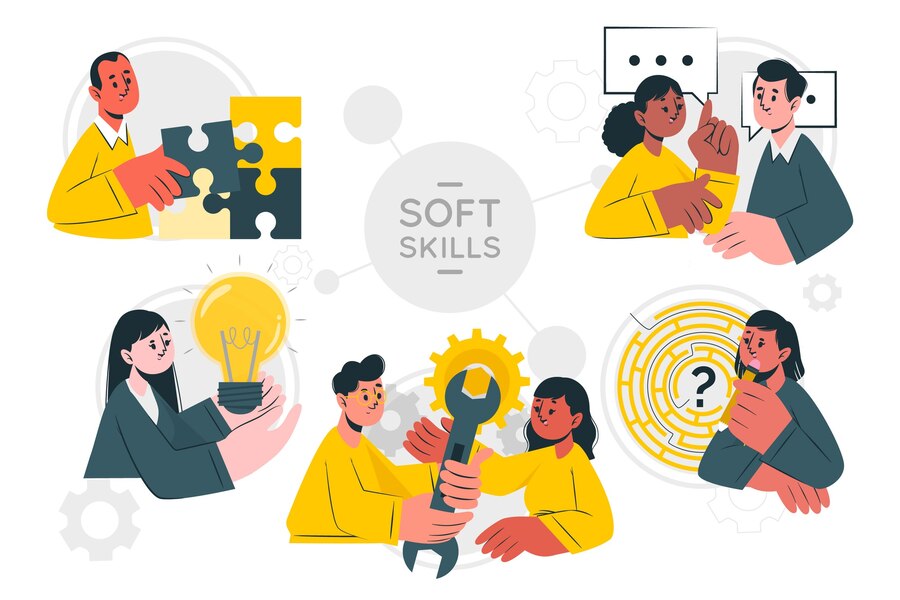
In any business, a candidate’s distinctive qualities and soft skills such as flexibility, communication, time management, and creativity are crucial differentiators. Tell the hiring manager how your soft skills make you the best candidate for the job.
3. Enroll in refresher classes
Take a refresher course if you think your skills are out of date. So you can speak more confidently about your knowledge in an interview and on your resume.
Conclusion
Taking a career break is not a failure it is a phase of life. Whether the break was planned or unexpected, what truly matters is how you move forward from it. With clear goals, updated skills, strong networking, and confidence in your journey, returning to work becomes achievable.
Employers value honesty, adaptability, and readiness to learn. By preparing well and believing in your abilities, you can restart your career on stronger terms. Remember, your break is just one chapter, not your entire story.
Frequently Asked Questions
1. Is a career break viewed negatively by employers?
No. Most employers understand career breaks if you explain them clearly and confidently.
2. How do I explain my career gap in an interview?
Focus on what you learned, skills you gained, and how you are now ready to contribute.
3. Do I need new qualifications after a long break?
Not always, but relevant certifications or refresher courses can boost confidence and credibility.

A content writer with a passion for crafting engaging content. Dedicated to continuous learning and innovative, excels at adapting diverse writing styles.