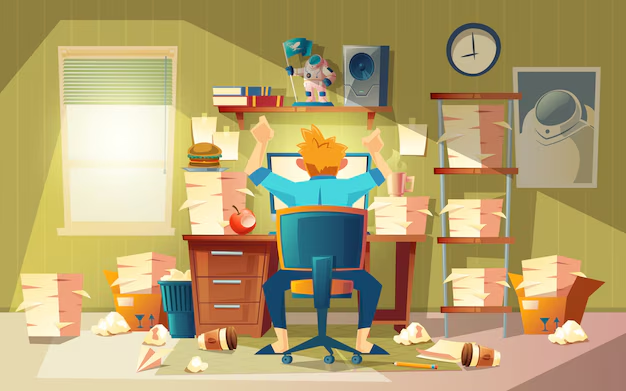
Workplaces are meant to be spaces where people collaborate, grow, and build their careers. However, many offices are not always as simple as they seem. Behind meetings, emails, and teamwork, there is often another invisible layer of office politics.
Office politics refers to the strategies people use to gain power, influence, or advantage at work. While a small amount of politics can exist in any workplace, unhealthy office politics can seriously affect employees’ mental health.
When favoritism, gossip, manipulation, and unfair competition become common, employees may feel stressed, anxious, and emotionally exhausted. Over time, this environment can damage confidence, productivity, and overall well-being. Let’s explore how office politics affects mental health and why organizations must take it seriously.
1. Constant Stress and Anxiety
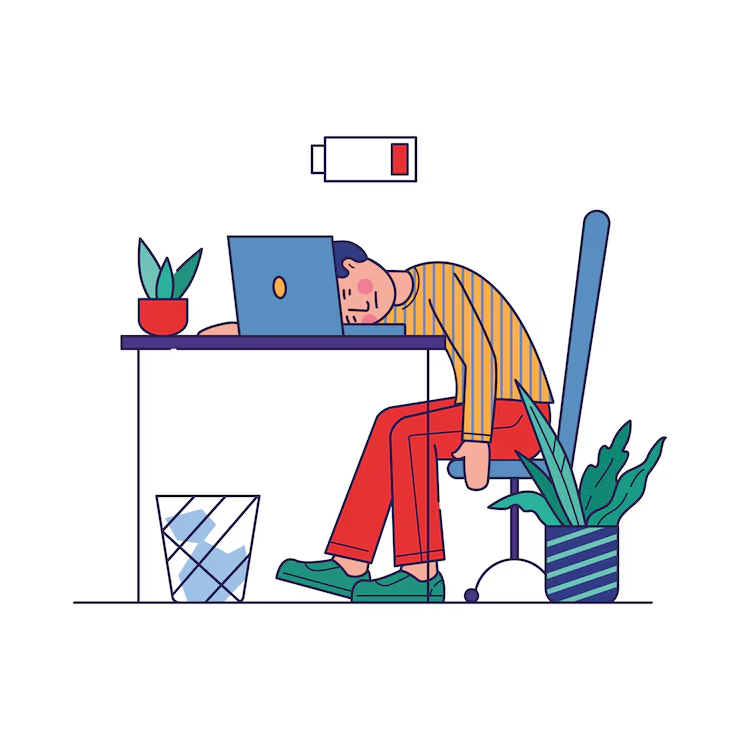
One of the biggest effects of office politics is constant stress. Employees may feel like they are always being watched, judged, or evaluated unfairly. Instead of focusing only on their work, people start worrying about who supports them, who might be working against them, and how their actions might be interpreted by others. This creates mental pressure that stays with them throughout the day.
For example, someone might fear that a colleague will take credit for their work or complain about them to a manager. These worries can make even simple tasks feel overwhelming. Over time, this ongoing stress can lead to anxiety, sleep problems, and emotional exhaustion.
2. Loss of Trust in Colleagues
Healthy workplaces are built on trust. Employees need to feel safe sharing ideas, asking questions, and working together. However, office politics often breaks this trust. If employees notice favoritism, hidden agendas, or manipulation, they may stop trusting their coworkers. People become cautious about what they say and whom they talk to.
Instead of open communication, the environment becomes guarded and tense. Employees may start isolating themselves just to avoid conflict. This lack of trust can create loneliness at work, which negatively affects mental health.
3. Feeling Undervalued and Unappreciated
When office politics dominates the workplace, success is not always based on performance. Sometimes recognition goes to those who are closer to managers or better at influencing decisions. This can make hardworking employees feel invisible.
Imagine working late nights, putting effort into projects, and still watching someone else receive the praise or promotion because of connections. Situations like this can make employees feel frustrated and unappreciated. Over time, this feeling reduces motivation and self-confidence. People may begin to question their abilities even when they are doing good work.
4. Increased Workplace Conflict
Office politics often leads to misunderstandings, gossip, and competition among employees. Instead of focusing on solving problems together, people may start blaming each other or spreading negative stories. Small disagreements can quickly grow into bigger conflicts.
Frequent conflict creates a tense environment where employees feel uncomfortable and emotionally drained. When people spend their energy dealing with conflict rather than doing meaningful work, it increases stress and reduces job satisfaction.
5. Fear of Speaking Up
In politically charged workplaces, employees may feel afraid to share their opinions. They may worry that disagreeing with someone powerful could harm their career. As a result, they stay silent even when they have valuable ideas or concerns.
This silence can be mentally exhausting. Employees may feel trapped because they cannot express their thoughts honestly. Over time, this can lead to frustration, resentment, and emotional burnout.
6. Burnout and Emotional Exhaustion
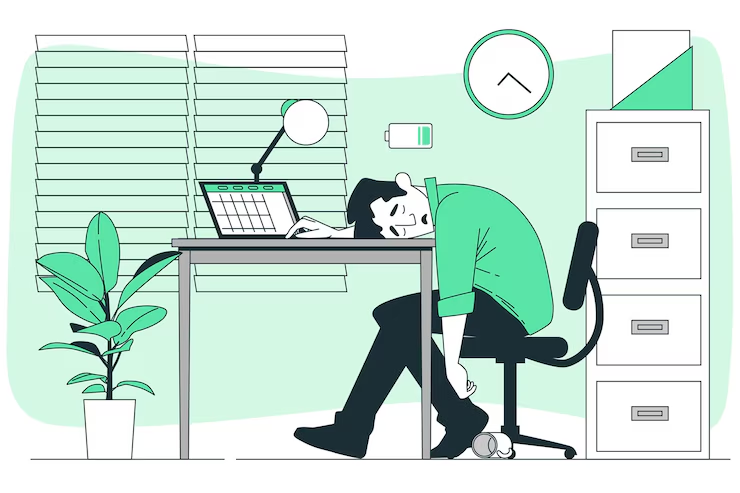
Burnout happens when employees feel mentally and emotionally drained for a long period of time. Office politics can accelerate burnout because employees are not only doing their job but also constantly managing relationships, avoiding conflicts, and protecting themselves. This emotional labor is tiring.
When people feel that their efforts do not matter or that the workplace is unfair, they slowly lose energy and motivation. They may begin to feel detached from their work and stop caring about results. Burnout can also affect physical health, causing headaches, fatigue, and low energy.
7. Reduced Job Satisfaction
Job satisfaction is closely connected to mental well-being. When employees feel respected, supported, and fairly treated, they are more likely to enjoy their work. But office politics can destroy that sense of satisfaction.
Employees may begin to dread going to work each day. Instead of feeling excited about projects or learning opportunities, they focus on avoiding drama and staying out of trouble. This constant negativity makes work feel like a burden rather than a meaningful part of life.
8. Lower Self-Confidence
Another hidden effect of office politics is the damage it does to self-confidence. When employees face criticism, exclusion, or unfair treatment repeatedly, they may start believing that they are not good enough.
Even talented professionals can begin to doubt their skills when they are constantly overlooked or undervalued. Low confidence affects both career growth and mental health. People may stop taking initiative, avoid new challenges, and limit their own potential.
9. Impact on Personal Life
The stress caused by office politics does not stay in the office. Employees often carry these worries home. They may spend hours thinking about workplace conflicts, unfair treatment, or office gossip.
This mental burden can affect relationships with family and friends. People may feel irritated, distracted, or emotionally tired after work. In severe cases, workplace stress can contribute to anxiety and depression, making it harder for individuals to enjoy their personal lives.
10. Increased Employee Turnover
When office politics become unbearable, many employees decide to leave. Talented professionals prefer workplaces where they feel respected and supported. If they constantly face unfair treatment or toxic behavior, they may start searching for better opportunities.
High employee turnover is not only costly for organizations but also emotionally difficult for individuals who have to change jobs frequently. Leaving a toxic environment can sometimes be necessary for protecting mental health.
How Employees Can Protect Their Mental Health
While office politics cannot always be avoided, employees can take steps to protect their well-being.
First, focus on maintaining professionalism. Avoid getting involved in gossip or unnecessary conflicts. Second, build positive relationships with supportive colleagues. Having even a small group of trustworthy coworkers can make a big difference. Third, set boundaries between work and personal life. Try not to carry workplace stress into your personal time. Finally, if the environment becomes too toxic, it may be worth exploring other career opportunities where the culture is healthier.
How Organizations Can Reduce Office Politics
Employers also have an important role in creating a healthy workplace. Companies should promote transparency, fairness, and open communication. Clear rules for promotions, recognition, and performance evaluation can reduce favoritism.
Managers should encourage collaboration rather than unhealthy competition. Employees should feel safe sharing ideas without fear of punishment. When organizations actively address toxic behavior, they create a culture where employees feel respected and mentally safe.
Conclusion
Office politics may seem like a normal part of professional life, but when it becomes unhealthy, it can seriously harm employees’ mental health. Constant stress, lack of trust, unfair recognition, and workplace conflict can make employees feel anxious, undervalued, and emotionally exhausted. Over time, these experiences reduce motivation, confidence, and job satisfaction. They can even affect personal relationships and physical health.
Creating a healthy workplace requires effort from both employees and organizations. By promoting fairness, transparency, and respect, companies can reduce toxic politics and build an environment where people feel safe, valued, and motivated to do their best work. A positive workplace culture is not just good for productivity; it is essential for protecting mental health. Do you want some personalised tips to deal with office politics? Then, feel free to take advantage of our FREE 15-minute call with us.
Visit EnrichMyCareer for more information.
Frequently Asked Questions
1. What is office politics in the workplace?
Office politics refers to the behaviors and strategies employees use to gain influence, power, or advantages within an organization.
2. Why does office politics affect mental health?
Office politics can create stress, unfair treatment, and a lack of trust among employees, which leads to anxiety, burnout, and emotional exhaustion.
3. How can employees deal with office politics?
Employees can handle office politics by staying professional, avoiding gossip, building positive relationships, and focusing on their work and well-being.

A content writer with a passion for crafting engaging content. Dedicated to continuous learning and innovative, excels at adapting diverse writing styles.