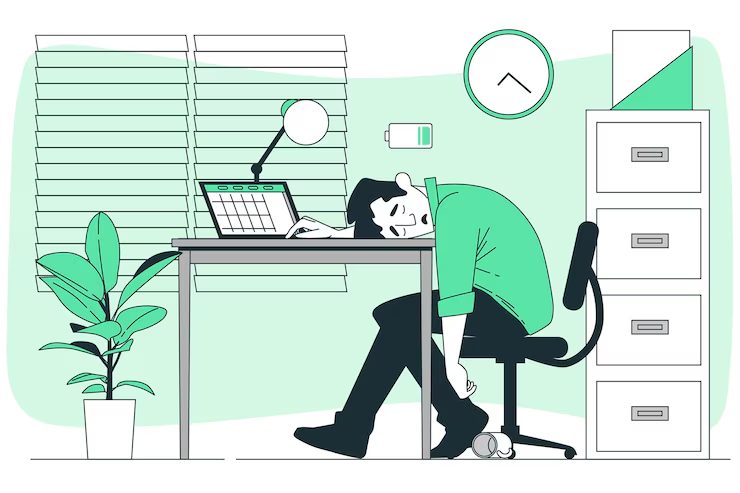
Everybody has days when their to-do list seems endless, meetings drag on for hours, and deadlines pile up. While some stress is acceptable, persistent stress might start to negatively impact your mental health. You can lose interest in activities you used to enjoy, become irritable with loved ones, or feel exhausted without cause. In the fast-paced workplace of today, it’s simple to write these changes off as “just a bad week.”
Ignoring them, however, can eventually be detrimental to your mental well-being. Maintaining your mental and emotional well-being while handling your work obligations requires early detection of the symptoms.
Signs That Work Pressure Is Affecting Your Mental Health

Overwhelming work stress can appear in subtle ways whether you’re working remotely, in an office, or in a mixed environment. You can prevent long-term mental and emotional harm by identifying the symptoms early. Here are some things to watch out for:
1.You’re constantly frustrated
Do you sigh, shake your head, or roll your eyes most of the time? That is the entire force of annoyance and frustration, and anything can trigger it. Emails, meetings, projects, the voices of coworkers, everything! Even small chores at work seem too much to handle. Persistent frustration is a clear sign that your emotional reserves are running low and your stress levels are at their highest.
2. You feel like you’re failing both at job and in life
You are doing your best, but you are unable to finish tasks as efficiently as you formerly did. Burnout and chronic emotional overload are to blame for the deterioration in job performance, not lack of competence. This is an example of how our work life’s impact on our mental health can spread to other areas, influencing daily duties and our mindset
3. Burnout
This has become a big term lately. Unfortunately, it is becoming increasingly widespread due to toxic workplaces and unrealistic workloads. So, what is it? Burnout is a state of complete mental and physical exhaustion produced by extended exposure to chronic stress and a difficult work environment. It frequently involves feelings of ineffectiveness, disconnection, and a lack of motivation.
4. You are depressed
You are unable to see a path out. You’ve persuaded yourself that no one else will hire you or that every other job will be equally awful. You can get on the other side of this, and the grass is greener on the other side. It’s crucial to keep in mind that your thoughts of hopelessness are your mind’s reaction to ongoing fear and a lack of support, not a lack of ambition.
5. You lose interest
Things that were important to you now seem meaningless. You no longer care about the metrics, the objective, or even your teammates. This notable drop in motivation is an indication of burnout and emotional depletion, not laziness.
6. Imposter syndrome and persistent self-doubt
Unmanaged stress or battling anxiety associated to performance and expectations may be the cause of your chronic self-doubt and inner critic becoming louder than your accomplishments.
7. Disengagement from social involvement
It might be more than just introversion if you’re avoiding people, ignoring calls, or failing to attend social gatherings. When your mental health is overloaded, isolating yourself is a normal coping strategy.
How Can Your Mental Health Be Protected?
The next stage is to take action to manage stress when you’ve identified the symptoms of work pressure negatively impacting your mental and emotional health.
1.How to Say “No” Without Feeling Bad
Taking on everything is a surefire way to burn out, not a sign of honor. Tell the truth about what you can and cannot do. Protecting your bandwidth is acceptable.
2. Set Aside Time for “You” Time
Your mental state can be reset by spending even 15 minutes a day doing something you enjoy, such as journaling, going for a walk, or listening to music. These meetings are equally important, so cherish them.
3. Establish healthy boundaries
Stop glorifying overtime. Please be respectful of your time. Unless it is absolutely essential, avoid responding to emails after business hours. Tell your colleagues when you’re unavailable and stick to it.
4. When necessary, seek professional assistance
Do not wait if you are always feeling overburdened. A mental health specialist can provide situation-specific coping mechanisms and resources. Keep in mind that achieving your professional goals is just as crucial as making investments in your mental health.
Conclusion
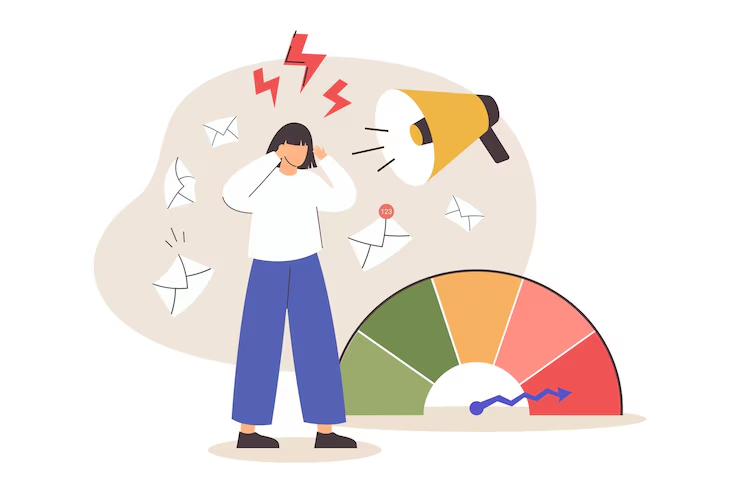
Your peace of mind shouldn’t be sacrificed for work. It’s time to put your mental health first if you recognize these symptoms. Early intervention is crucial, whether it takes the form of lifestyle modifications or psychiatric counseling. Avoid waiting for burnout to happen.
EnrichMyCareer is here to help you design a more rewarding and healthful career path. Speak with our professionals right now.
Frequently Asked Questions
1. How do I know if my work stress is becoming a mental health issue?
Persistent frustration, feelings of failure, loss of interest in activities, burnout, and social withdrawal are strong indicators that work stress is affecting your mental health. Paying attention to these signs early helps prevent long-term consequences.
2. What practical steps can I take to manage work-related stress?
Set clear boundaries, learn to say “no” when necessary, carve out daily “you” time, and prioritize activities that recharge you. If stress persists, seeking professional support from a mental health expert is highly recommended.
3. Can burnout and stress affect areas of my life outside work?
Yes. Chronic work stress can spill over into personal life, affecting relationships, daily tasks, and overall mood. Recognizing and addressing these symptoms early protects both your professional performance and emotional well-being.

Nishant is an Internationally Certified Career Coach, a Career Counsellor, an Education Consultant, a Soft Skills Trainer, and an ardent advocate of youth empowerment through personalized guidance, mentoring, and developmental interventions. He is also an International Economic Development and Business Consultant. Over the years, he has helped many students of different age groups and working professionals in discovering their true selves, setting appropriate career goals, and walking the right career paths.
Nishant is a mechanical engineering alumnus from R.V. College of Engineering, Bangalore. He has been widely featured in top media and also delivered talks at Cambridge University-UK and IIT-Guwahati among others. He has also delivered workshops at many reputed schools and colleges on various careers and skills-related topics.