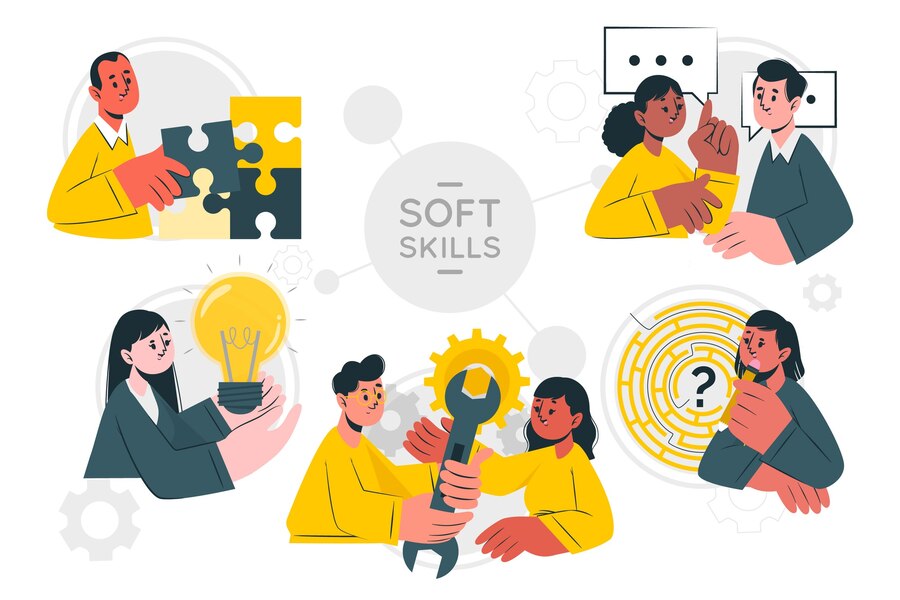
Exploration, late-hour chats, and determining your true life goals are all part of the 20s. Although it’s thrilling, let’s face it, it can also be a little frightening, particularly when it comes to your work. Since you’re building your future, even minor mistakes can seem like they could have far-reaching effects.
But try not to worry. Everyone has experienced it.
This blog aims to clarify some typical career traps and offer guidance on avoiding them.

1. Job Hopping Without a Plan
It’s easy to want to switch jobs in search of a better salary or a more interesting title. However, watch out: a lot of job switching, particularly without a defined career goal, can make you appear unreliable to potential employers.
Every job transition should be a calculated decision that advances your long-term professional goals. Consider it like ascending a mountain; you don’t want to waste energy scurrying around in the wrong direction. Think about your career objectives for a while. In five or ten years, where do you see yourself? Every employment ought to be a step in the direction of that goal.
Be ready to explain your job changes in a way that shows progress and purpose rather than restlessness if you do change employment frequently.
2. Neglecting Opportunities for Networking
The best time to expand your professional network is in your twenties. Join groups for professionals, go to industry events, and make connections on social media sites like LinkedIn.
Gathering business cards isn’t the goal of networking. It’s about establishing sincere connections. These relationships may lead to opportunities you were unaware of. Networking can be compared to sowing seeds. It’s impossible to predict which one will bear fruit.
Never hesitate to get in touch with those you respect. Most people are willing to give advice and share their experiences.
3. Not Making an Investment in Skill Development
The job market is ever-changing. Skills that are in demand now might not be tomorrow. To be competitive, you must constantly invest in your skills.
Participate in workshops, take online classes, or further your education. Welcome to lifelong learning. In a world that is changing quickly, it is essential to remain relevant and flexible. Consider your abilities as a toolkit. Your value increases as you acquire additional tools.
Find opportunities to fill the skills shortages in your field by actively seeking them out.
4. Ignoring Your Online Presence
Your CV is an extension of your internet presence in the modern digital environment. Be sure to make it professional and polished. Regularly update your LinkedIn page and pay attention to what you post on social media.
It’s common for prospective employers to Google you before an interview. Ensure that the outcomes convey the picture you wish to portray. Your digital handshake can be thought of as your online presence. Make it confident and firm.
Think about building a polished portfolio or website to display your abilities and expertise.
5. Burning Bridges
Regardless of how much you despise a job or a coworker, fight the desire to sever relations. The professional world is smaller than you believe, and you never know when your paths will cross again. Leave every employment on a positive note. You never know when a previous boss or coworker may be able to assist you in the future. Consider your professional reputation to be an extremely valuable asset. Take care not to damage it.
Even in stressful times, keep a professional and respectful demeanor.
Conclusion

Navigating your job in your twenties might be like sailing through unknown waters. There will be storms and calm waters, unexpected detours, and moments of indecision. However, by avoiding these typical blunders, you may lead your career toward fulfillment and success.
Remember that your twenties are a time for exploration and development. Accept the obstacles, learn from them, and never stop investing in yourself. Do you want more guidance? Then, feel free to avail EnrichMyCareer’s FREE 15-minute career counselling session.
Visit EnrichMyCareer for more information.
Frequently Asked Questions
1. Is it normal to change careers in your 20s?
If you’re still in your late twenties, there’s no need to despair. At this age, you already have a good perspective on your life, so it’s normal to want to take control. So, if the job or career you chose directly out of college is unsatisfactory, you should do something about it.
2. Is 25 too late for a career change?
It is never too late to change your job, whether you are 25, 55, or 65. However, if you’re not sure where to begin when it comes to making a late-life career transition, this is the guide for you—we’ll walk you through everything from discovering training programs to polishing your resume.
3. Is 27 too late for a career change?
According to a LinkedIn survey, people change occupations for a variety of reasons at all times of their lives, so starting a career at 27 is not unusual. Younger professionals, aged 18 to 35, change employment or embark on new occupations in search of prospects for progress.

Nishant is an Internationally Certified Career Coach, a Career Counsellor, an Education Consultant, a Soft Skills Trainer, and an ardent advocate of youth empowerment through personalized guidance, mentoring, and developmental interventions. He is also an International Economic Development and Business Consultant. Over the years, he has helped many students of different age groups and working professionals in discovering their true selves, setting appropriate career goals, and walking the right career paths.
Nishant is a mechanical engineering alumnus from R.V. College of Engineering, Bangalore. He has been widely featured in top media and also delivered talks at Cambridge University-UK and IIT-Guwahati among others. He has also delivered workshops at many reputed schools and colleges on various careers and skills-related topics.