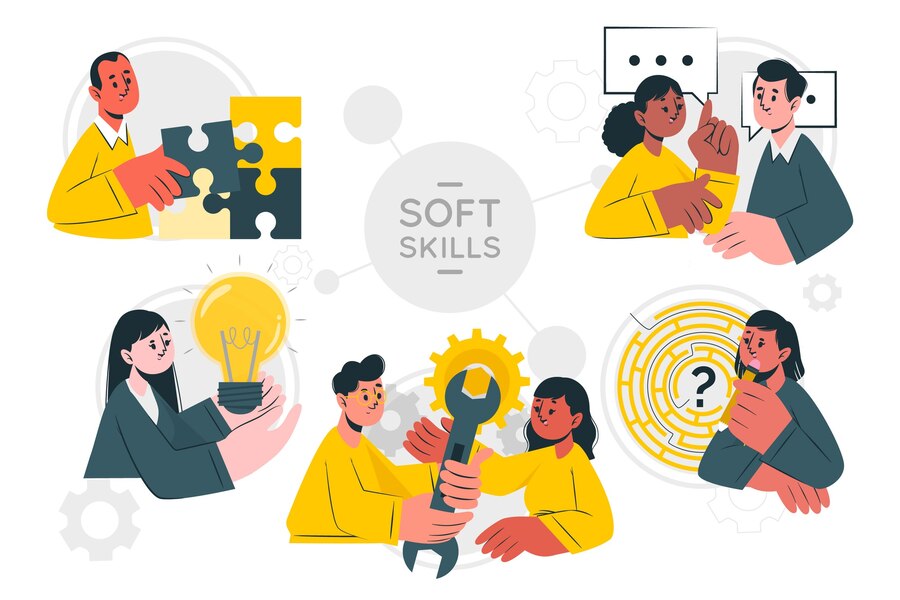
Artificial intelligence is changing the workplace faster than most professionals expected. It can write emails, analyse data, create presentations, automate repetitive tasks, and even help employees make decisions. But as AI becomes more common, another skill is becoming more valuable: the ability to work well with people.
This is why Artificial intelligence may not be the biggest factor deciding who gets promoted. Technology can improve productivity, but promotions are often based on qualities that technology cannot easily replace, such as communication, leadership, empathy, judgement, collaboration, and trust. Employees who develop these human skills may have an advantage over those who focus only on becoming better at using AI tools.
AI Can Help You Work Faster, But People Still Decide Your Impact
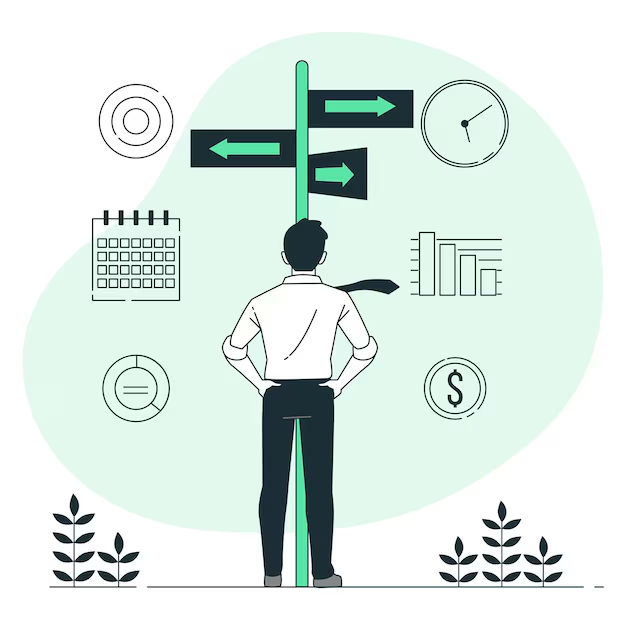
Artificial intelligence can help employees complete tasks faster and with fewer errors. Someone can use AI to organise information, prepare a first draft, analyse a report, or generate ideas in minutes. But completing a task quickly does not automatically make someone ready for promotion. Managers also want to know whether an employee can take responsibility, solve unexpected problems, communicate with others, and make good decisions.
AI can support your work, but your ability to turn that support into meaningful results is what makes you valuable.
Communication Will Become More Important, Not Less
As technology handles more routine communication, strong human communication can become even more noticeable. Managers need employees who can explain complicated ideas clearly, listen carefully, handle disagreements, and communicate with different types of people.
Someone may use Artificial intelligence to create an impressive presentation, but they still need to explain that presentation to a team, answer difficult questions, and convince people to support an idea. That is why communication skills can make a major difference when promotion decisions are being made.
Leadership Cannot Be Automated Easily
A promotion usually comes with greater responsibility. You may have to manage people, coordinate projects, make decisions, or guide your team through difficult situations. Technology can provide information, but leadership involves understanding people and helping them perform at their best.
A strong leader knows when a team member needs support, when someone needs constructive feedback, and when a difficult conversation cannot be avoided. These situations require emotional understanding and judgement. Using Artificial intelligence effectively may make you productive, but leadership skills can help you become someone others trust and follow.
Emotional Intelligence Can Set You Apart
Emotional intelligence is the ability to understand your own emotions and recognise what other people may be feeling. It affects how you respond to pressure, criticism, conflict, and workplace relationships. Imagine two employees with similar technical skills. One becomes defensive whenever someone gives feedback, while the other listens, reflects, and responds professionally.
Who seems more prepared for a leadership role? The second employee is likely to stand out because promotions are not only about what you know. They are also about how you behave when situations become difficult.
Problem-Solving Requires More Than Information
AI can provide answers quickly, but workplace problems are not always straightforward. Sometimes there is no perfect answer. You may have to decide between two difficult options, balance different opinions, consider company priorities, or understand an issue that has no clear solution.
Human judgement becomes especially important in these situations. Employees who can use Artificial intelligence to gather information while applying their own judgement to make decisions can become more valuable than employees who simply accept whatever a tool produces.
Trust Will Become a Career Advantage
Think about the people you trust at work. They are probably not trusted simply because they are technically skilled. You trust them because they keep their promises, communicate honestly, take responsibility, and remain dependable when something goes wrong.
As workplaces become more dependent on technology, trust may become even more important. Managers will need people who can be trusted to use technology responsibly and make decisions when situations fall outside standard processes. Being the person your manager can rely on can have a significant impact on promotion opportunities.
Collaboration Still Matters
No matter how advanced technology becomes, most workplaces still depend on people working together. Projects require different employees to share information, solve disagreements, coordinate deadlines, and support one another. Someone who is technically brilliant but difficult to work with may not be the best choice for a leadership position.
On the other hand, an employee who combines technical knowledge with strong collaboration skills can become extremely valuable. Artificial intelligence can support teamwork by organising information or improving communication, but it cannot replace the human relationships that make teams successful.
Adaptability Can Influence Promotion Decisions
Workplaces are constantly changing. New software, new processes, new competitors, and changing customer expectations can affect almost every industry. Managers often notice employees who adapt quickly rather than those who resist every change.
Learning to work with Artificial intelligence is certainly part of being adaptable. But adaptability also means being willing to learn, accept feedback, change your approach, and remain productive when circumstances change. An employee who can stay calm and flexible during change may be more prepared for greater responsibility.
Human Skills Can Make AI More Valuable
The future is not necessarily about humans competing against technology. It is more likely to be about people who know how to combine technology with human strengths. For example, Artificial intelligence can analyse a large amount of information, but a manager still needs to decide what that information means for the business.
AI can generate a customer response, but a human needs to determine whether the tone is appropriate. AI can suggest solutions, but a human may need to consider ethical issues, company culture, and the impact on employees. The person who can combine both sides can become much more effective.
How to Build Human Skills for Career Growth
Start by improving one skill at a time. Practice listening instead of immediately responding. Learn how to give and receive feedback without becoming defensive. Work on explaining your ideas clearly. Volunteer for projects that require teamwork. Pay attention to how you handle stressful situations. If you regularly become overwhelmed or frustrated, work on managing your reactions.
At the same time, learn how to use Artificial intelligence responsibly. Do not treat it as a replacement for your judgement. Use it to save time, research ideas, organise information, and improve your work while keeping your human perspective at the centre.
Conclusion
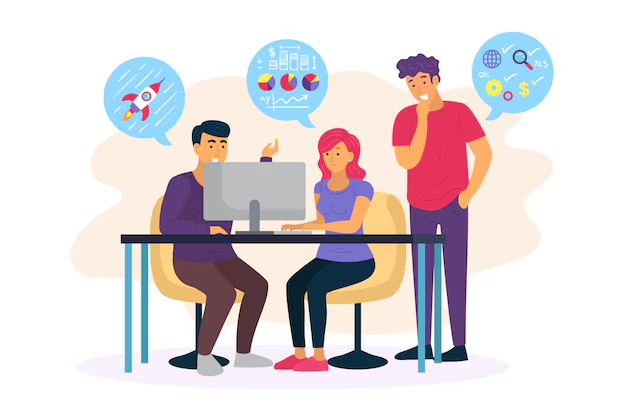
The rise of Artificial intelligence does not mean human skills are becoming irrelevant. In many ways, it may make them more important. When technology can help almost everyone complete routine tasks faster, the qualities that distinguish employees will increasingly come from how they communicate, lead, collaborate, solve problems, adapt, and build trust.
If you want to get promoted, do not focus only on becoming better at using AI tools. Learn how to become the person people trust with bigger responsibilities. The strongest professionals of the future will not necessarily be those who compete with AI. They will be those who know how to use technology while bringing something technology cannot easily provide: human judgement, empathy, leadership, and connection. Feeling overlooked for promotions, unsure which skills will keep you valuable, or worried that AI is changing your career path? Then feel free to avail our FREE 15-minute call.
Visit EnrichMyCareer to get expert guidance, identify the human skills that can accelerate your career, and confidently prepare for growth in an AI-driven workplace.
Frequently Asked Questions
1. Will AI replace human skills at work?
No. AI can automate many tasks, but skills such as empathy, leadership, communication, judgement, and relationship-building remain important in most workplaces.
2. What human skills can help me get promoted?
Focus on communication, leadership, emotional intelligence, problem-solving, adaptability, teamwork, decision-making, and the ability to handle difficult situations professionally.
3. Should I focus on AI skills or human skills for career growth?
Develop both. AI skills can improve your productivity, while human skills can help you lead, communicate, make decisions, and take on greater responsibility. The combination can make you more valuable.

A content writer with a passion for crafting engaging content. Dedicated to continuous learning and innovative, excels at adapting diverse writing styles.