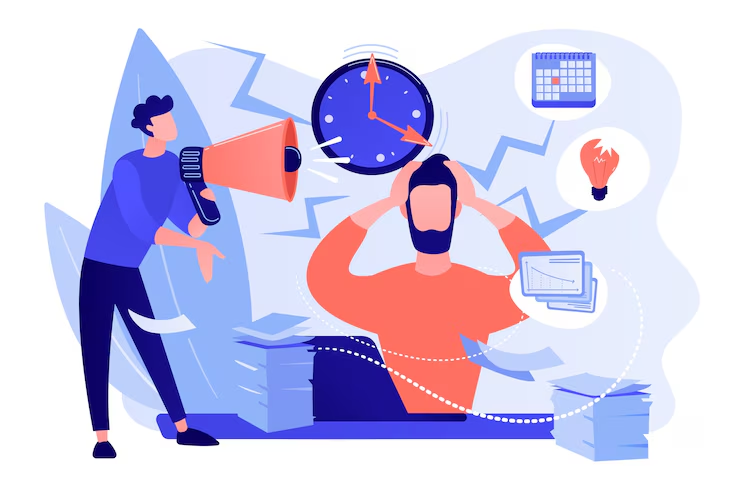
We live in a world where being constantly available has almost become normal. Messages, emails, calls, notifications, work updates, social media, and expectations from people around us never truly stop. Even after work hours, many people still feel mentally connected to responsibilities. They keep checking their phones, replying quickly, and worrying about missing something important.
At first, this may seem productive or responsible. But over time, constantly being available creates a heavy mental load. Your mind never fully rests because a part of you is always alert, waiting, responding, or thinking ahead. Even when your body is relaxing, your mind often is not.
This invisible pressure affects mental health, relationships, productivity, and overall well-being more than most people realize. The problem is not just physical exhaustion. It is the emotional and mental tiredness that comes from never truly disconnecting.
What Does “Always Being Available” Really Mean?
Being available does not only mean answering calls or replying to texts. It also means feeling emotionally responsible all the time. You may constantly think about work tasks, pending messages, people’s expectations, or whether someone might need you.
Many people feel guilty when they do not reply immediately. Some worry that saying “no” will make them look rude, careless, or unprofessional. Others feel pressure to always stay connected because everyone else seems to be doing the same. Slowly, availability stops being a choice and starts feeling like an obligation. And that is where the mental load begins.
Your Brain Never Gets a Real Break
One of the biggest problems with constant availability is that your brain never fully switches off. Even during rest, your mind stays active in the background.
You may be watching a movie, eating dinner, or trying to sleep, but part of your attention is still connected to notifications, unfinished work, or pending conversations. This prevents true mental relaxation. Rest is not just about sitting down physically. Real rest happens when your mind also feels free from pressure. Without that mental break, exhaustion slowly builds up even if you technically “took time off.”
The Pressure to Reply Immediately
Modern communication has created an expectation of instant replies. If someone sees your message online but does not get a response quickly, they may assume you are ignoring them.
Because of this, many people feel anxious about delayed responses. They constantly check their phones, even during personal time, just to avoid disappointing others. This habit creates stress because your attention is always divided. You are never fully present in your own lie. Your mind stays connected to other people’s expectations all the time.
Work No Longer Stays at Work
Technology has made work more flexible, but it has also made it harder to disconnect. Emails, work chats, and online meetings can follow people everywhere.
Many employees now feel pressure to stay reachable even after office hours. Some fear that disconnecting may make them seem less committed. Others continue working mentally long after they close their laptops. Over time, this removes the boundary between work life and personal life. When your mind never leaves work, burnout becomes much more likely.
Emotional Availability Can Also Become Exhausting
Being emotionally available for everyone all the time can also become draining. Friends, family members, colleagues, and partners may depend on you constantly for support, advice, or attention.
Caring about people is not wrong. But when you always prioritize everyone else’s emotions over your own, it becomes emotionally exhausting. Many people silently carry emotional pressure while pretending they are fine. They continue listening, helping, and supporting others without giving themselves the same care and attention.
Social Media Keeps Your Mind Active
Social media creates another layer of mental availability. Even when you are not directly talking to someone, your brain stays socially active through scrolling, reacting, posting, and comparing.
You may feel pressure to stay updated, respond to messages, maintain streaks, reply to comments, or stay visible online. This constant connection leaves very little quiet time for your mind. Your brain needs moments without stimulation. But social media often fills every free moment with noise, information, and emotional reactions.
The Fear of Missing Out
Many people stay constantly connected because they fear missing something important. This fear can be related to work opportunities, social updates, friendships, or important information.
As a result, they keep checking notifications repeatedly throughout the day. Even short moments of silence can feel uncomfortable because the brain becomes used to constant stimulation. This habit increases anxiety and makes it difficult to fully relax or focus deeply on one thing at a time.
It Slowly Affects Your Mental Health
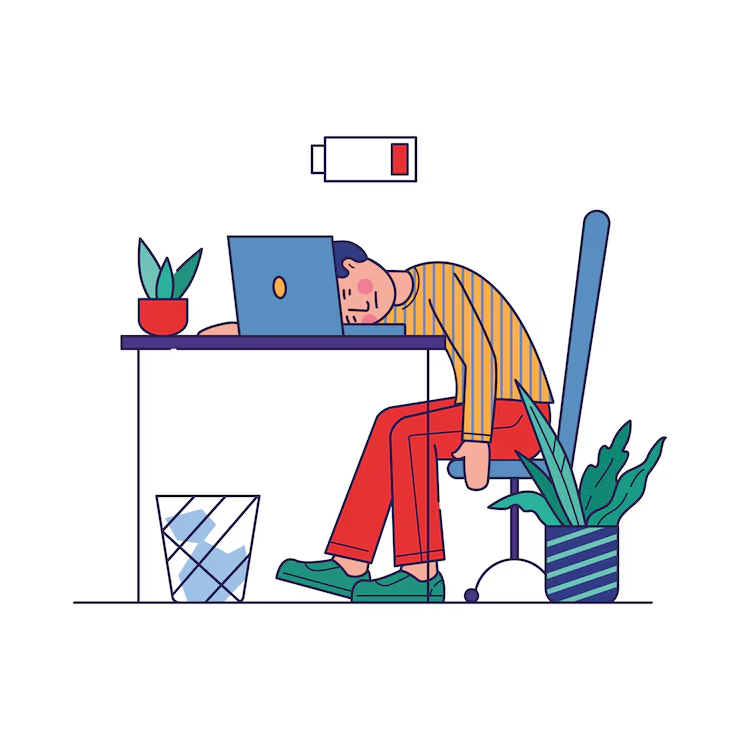
The mental load of always being available does not usually appear suddenly. It builds slowly over time. At first, you may simply feel tired or distracted. But eventually, it can lead to emotional exhaustion, irritability, anxiety, difficulty sleeping, lack of focus, and burnout.
Many people do not realize how mentally overwhelmed they are until they finally step away and notice how exhausted they actually feel. Constant availability trains your brain to stay alert all the time, and that level of mental pressure is not sustainable.
Productivity Also Starts Suffering
People often believe that staying constantly connected makes them more productive. But in reality, constant interruptions reduce focus and efficiency.
When your attention keeps shifting between messages, notifications, and tasks, your brain struggles to concentrate deeply. You may spend the entire day busy but still feel like nothing meaningful was completed.True productivity requires uninterrupted focus and mental clarity. Constant availability destroys both.
Why Setting Boundaries Feels So Difficult
Many people struggle to set boundaries because they fear disappointing others. They worry about appearing selfish, rude, or unhelpful.
Some people also tie their self-worth to being needed. They feel valuable only when they are constantly available for others. But healthy boundaries are not selfish. They are necessary for protecting your mental health and energy. You cannot constantly pour into others while ignoring your own needs.
Conclusion

The mental load of always being available is something many people silently carry every day. In a world that constantly demands attention, responsiveness, and connection, true rest has become rare. Being constantly reachable may look productive from the outside, but internally, it can create exhaustion, anxiety, and emotional burnout. Your mind needs moments of silence, boundaries, and genuine disconnection in order to stay healthy.
You are not required to be available to everyone all the time. Resting, slowing down, and protecting your mental space are not signs of laziness or selfishness. They are necessary parts of living a balanced and healthy life.
Feeling mentally exhausted from always being available, struggling to disconnect from work or constant notifications, or overwhelmed by emotional burnout? Then feel free to avail our FREE 15-minute call.
Visit EnrichMyCareer to gain clarity, build healthier boundaries, and create a career and lifestyle that supports your mental well-being.
Frequently Asked Questions
1. Why does being constantly available feel so exhausting?
Constant availability keeps your brain mentally active all the time. Even when resting physically, your mind stays alert and emotionally engaged.
2. How can I reduce the mental load of constant communication?
You can reduce it by setting boundaries, turning off unnecessary notifications, limiting screen time, and allowing yourself breaks without guilt.
3. Is it okay to reply late to messages sometimes?
Yes, it is completely okay. You do not need to be available every moment of the day. Delayed responses are normal and healthy.

Nishant is an Internationally Certified Career Coach, a Career Counsellor, an Education Consultant, a Soft Skills Trainer, and an ardent advocate of youth empowerment through personalized guidance, mentoring, and developmental interventions. He is also an International Economic Development and Business Consultant. Over the years, he has helped many students of different age groups and working professionals in discovering their true selves, setting appropriate career goals, and walking the right career paths.
Nishant is a mechanical engineering alumnus from R.V. College of Engineering, Bangalore. He has been widely featured in top media and also delivered talks at Cambridge University-UK and IIT-Guwahati among others. He has also delivered workshops at many reputed schools and colleges on various careers and skills-related topics.