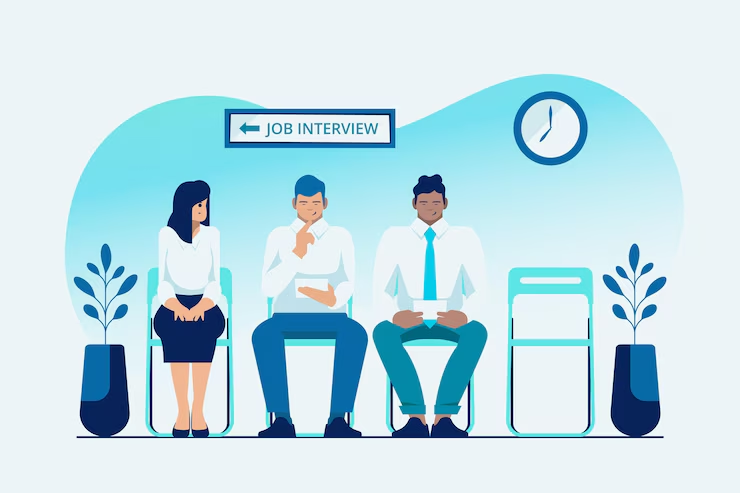
During interviews, recruiters do not only listen to what candidates say. They also pay attention to body language. Body language includes eye contact, posture, facial expressions, hand movements, and overall behavior during the interview. These small non-verbal actions help recruiters understand whether a candidate is confident, interested, professional, or nervous. Sometimes, even before a candidate answers a question, recruiters already start forming an opinion based on their behavior.
Good body language can create a positive impression, while poor body language may reduce a candidate’s chances, even if they have good qualifications. That is why understanding body language is very important for interview success.
1. First Impression Matters
The first few moments of an interview are very important because recruiters quickly notice how a candidate enters the room and greets them. A polite smile, confident walk, and professional greeting create a positive impression immediately. Recruiters often observe whether the candidate looks prepared and comfortable.
If someone appears too nervous or avoids interaction, it may affect the recruiter’s opinion. A strong first impression helps create a smoother and more comfortable interview atmosphere.
2. Eye Contact Shows Confidence
Eye contact is one of the clearest signs of confidence during an interview. Recruiters notice whether candidates look at them while speaking and listening. Proper eye contact shows honesty, attentiveness, and interest in the conversation.
Candidates who avoid eye contact may appear nervous or unsure of themselves. However, staring too much can also make the conversation uncomfortable, so balanced and natural eye contact is important.
3. Posture Reflects Professionalism
The way a candidate sits during an interview says a lot about their attitude and confidence. Sitting straight with relaxed shoulders makes a person look professional and attentive. Recruiters usually notice if someone is slouching, leaning too far back, or sitting carelessly.
Good posture shows respect and seriousness towards the interview. A confident posture can make a candidate appear more prepared and capable.
4. Facial Expressions Matter
Facial expressions help recruiters understand a candidate’s emotions and reactions. A calm and friendly face creates a positive environment during the interview. Smiling naturally while greeting or answering questions makes the candidate appear approachable and confident.
Recruiters may also notice if someone looks bored, confused, or too tense during the conversation. Positive facial expressions help improve communication and connection with the interviewer.
5. Hand Gestures and Movements
Recruiters often observe how candidates use their hands while speaking. Natural hand gestures can make communication more clear and expressive. However, too many movements or nervous actions can become distracting. Playing with pens, touching hair repeatedly, or tapping fingers may make a candidate appear anxious. Calm and controlled gestures help candidates look confident and professional during the interview.
6. Nervous Habits Are Easily Noticed
Many candidates feel nervous during interviews, and recruiters understand that. But repeated nervous habits can create a negative impression. Actions like shaking legs, speaking too fast, biting lips, or looking around constantly may show stress and lack of confidence. Recruiters usually prefer candidates who stay calm and composed. Practicing interviews beforehand can help reduce nervous habits and improve confidence.
7. Listening Skills Through Body Language
Recruiters also notice how well candidates listen during the interview. Good listening body language includes nodding slightly, maintaining eye contact, and paying attention to the conversation. These actions show respect and interest in what the recruiter is saying. Interrupting frequently or looking distracted may create a poor impression. Active listening helps build better communication and shows professionalism.
8. Confidence vs Overconfidence
There is a big difference between confidence and arrogance, and recruiters can often notice it through body language. Confident candidates speak politely, listen carefully, and remain calm while answering questions. Overconfident candidates may interrupt the interviewer or behave too casually.
Recruiters usually prefer candidates who appear confident but respectful. Balanced behavior creates a stronger professional image during interviews
9. Body Language in Online Interviews
In online interviews, body language is still very important. Recruiters notice facial expressions, posture, eye contact, and overall professionalism on camera. Sitting properly, looking at the camera, and avoiding distractions create a positive impression.
Candidates who constantly check their phones or appear careless may look uninterested. Good online body language helps candidates appear serious and prepared for the role.
10. Energy and Enthusiasm
Recruiters often notice whether candidates seem genuinely interested in the job opportunity. Positive energy can be seen through smiling, speaking clearly, and reacting actively during the conversation. Candidates who appear tired or disconnected may seem less interested in the role.
Showing enthusiasm through body language helps create a positive atmosphere during the interview. Recruiters usually appreciate candidates who appear motivated and engaged.
Conclusion

Body language plays a very important role in interviews because recruiters notice much more than spoken answers. Eye contact, posture, facial expressions, listening skills, and gestures all help create an impression about a candidate’s confidence and professionalism.
Good body language can make candidates appear more prepared, trustworthy, and interested in the role. The good thing is that body language can improve with practice and preparation. By staying calm, maintaining positive behavior, and communicating naturally, candidates can perform better and leave a strong impression during interviews.
Feeling nervous before interviews, struggling to appear confident, or unsure how recruiters actually judge candidates beyond answers? Then feel free to avail our FREE 15-minute call.
Visit EnrichMyCareer to learn how to improve your interview presence, build confident body language, and create stronger first impressions that help you stand out professionally.
Frequently Asked Questions
1. Why is body language important in interviews?
Body language is important because recruiters use it to judge confidence, communication skills, professionalism, and interest in the job. Positive body language creates a better overall impression.
2. What are some common bad body language habits during interviews?
Common bad habits include avoiding eye contact, slouching, shaking legs, checking phones, speaking too fast, and looking distracted during the interview.
3. How can I improve my interview body language?
You can improve your body language by practicing mock interviews, sitting with good posture, maintaining natural eye contact, controlling nervous habits, and staying calm during conversations.

Nishant is an Internationally Certified Career Coach, a Career Counsellor, an Education Consultant, a Soft Skills Trainer, and an ardent advocate of youth empowerment through personalized guidance, mentoring, and developmental interventions. He is also an International Economic Development and Business Consultant. Over the years, he has helped many students of different age groups and working professionals in discovering their true selves, setting appropriate career goals, and walking the right career paths.
Nishant is a mechanical engineering alumnus from R.V. College of Engineering, Bangalore. He has been widely featured in top media and also delivered talks at Cambridge University-UK and IIT-Guwahati among others. He has also delivered workshops at many reputed schools and colleges on various careers and skills-related topics.