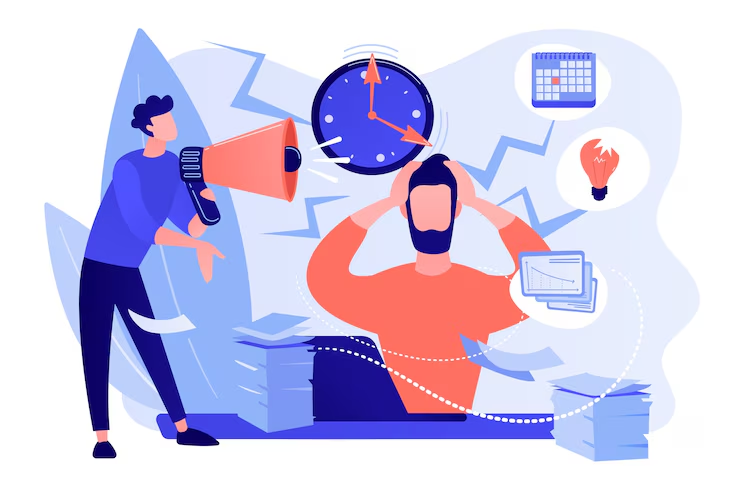
Everybody has days at work when they feel overburdened by deadlines, lengthy meetings, and an endless to-do list. While occasional stress is common, persistent pressure can subtly begin to negatively impact your mental health. You can get irritable, lose interest in things you used to enjoy, or feel exhausted for no apparent reason. It’s simple to write off these changes as “just a bad week” in today’s hectic workplace.
However, neglecting them can eventually be detrimental to your mental well-being.
Signs That Work Is Affecting Your Mental Health
Excessive work stress can subtly seep in whether you operate remotely, from an office, or in a mixed situation. Early detection of the symptoms can prevent long-term emotional and mental harm. Here are some things to watch out for:
1.Lack of Interest and Motivation
Activities that used to fascinate you are now tedious. It’s a warning sign if you frequently feel uninterested, unmotivated, or uncaring about your employment. Your full plate shouldn’t cause your passion and purpose to fade away.
2. Changes in Mood and Increased Irritability
You can become irritable or angry over insignificant things. Stress impairs your ability to control your emotions, which frequently harms relationships and team dynamics. That is a warning sign of deteriorating worker wellbeing.
3. Even after rest, you feel exhausted all the time
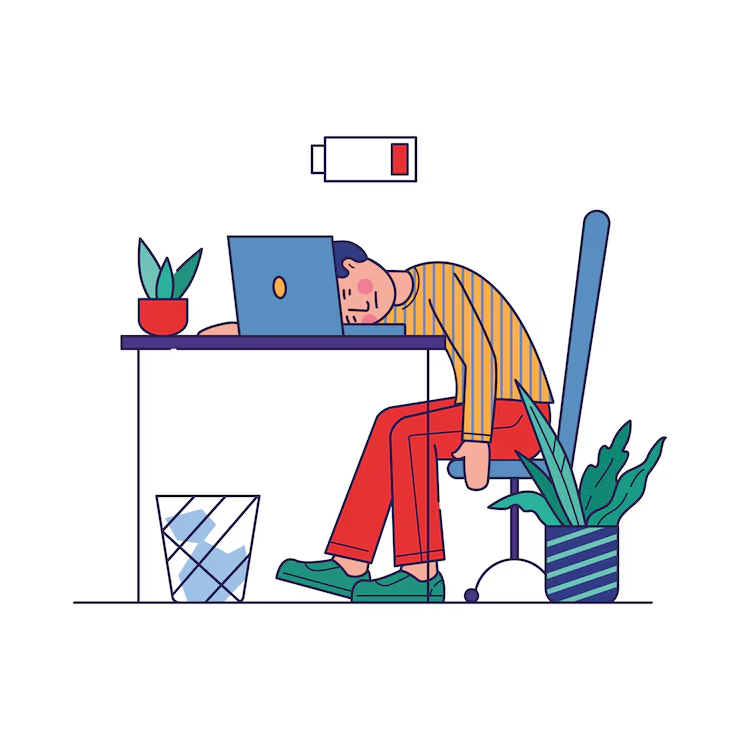
Being exhausted all the time is not normal. Your mind may be attempting to recover from stress overload if you are sleeping for seven or eight hours yet still feel like a zombie. Physical depletion is frequently preceded by mental exhaustion.
4. Changes in Eating and Sleeping Habits
While some people skip meals entirely, others overeat while under stress. In a similar vein, stress can lead to oversleeping or sleeplessness. Significant alterations to these fundamental habits show that your mind is attempting to adjust.
5. Escape from Social Engagement
It might be more than just introversion if you’re avoiding friends, missing calls, or failing to attend social gatherings. When your mental health is overburdened, isolation is a typical coping strategy.
6. You’re in Fight-or-Flight mode all the time
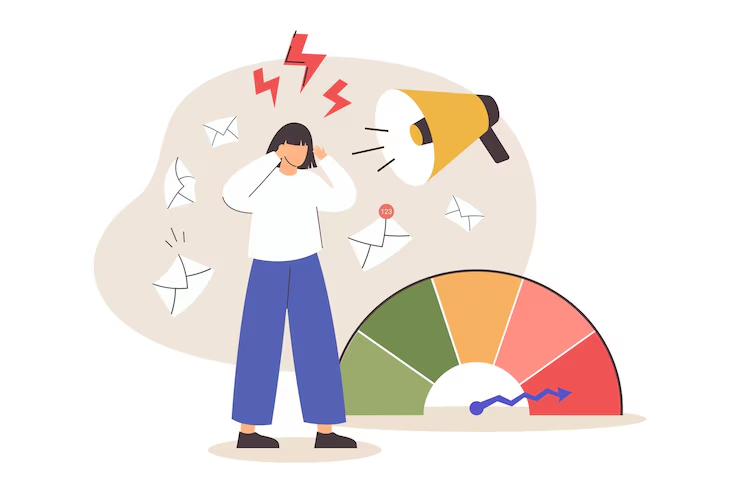
You may be working from a place of chronic tension rather than focus if your body feels tense all the time, such as when your heart races at emails or you frequently check for updates.
7. Imposter syndrome and persistent self-doubt
Unmanaged stress or overcoming anxiety related to performance and expectations may be the cause of your inner critic becoming louder than your achievements and your ongoing self-doubt.
How Can Your Mental Health Be Protected?
Taking action to manage stress is the next step once you identify the indicators that work pressure is negatively affecting your mental and emotional health.
1. Know How to Say “No” Without Feeling Bad
Taking on everything is a surefire way to burn out, not a badge of achievement. Tell the truth about what you can and cannot handle. Protecting your bandwidth is acceptable.
2. Establish Healthy Boundaries
Give up praising excessive work. Be mindful of your time. Unless it’s absolutely important, don’t respond to emails after work. When you’re unavailable, let your colleagues know and be consistent.
3. Set aside time for yourself
You may reset your mental state by spending even 15 minutes a day doing something you enjoy, like journaling, going for a walk, or listening to music. These times are just as important as meetings, so preserve them.
4. Seek Professional Assistance
When required, don’t wait if you frequently feel overburdened. Coping mechanisms and skills tailored to your circumstances can be provided by a mental health specialist. Recall that achieving your professional objectives is equally as vital as investing in your mental health.
Conclusion
Your peace of mind shouldn’t be sacrificed for work. It’s time to put your mental health first if you recognize these symptoms. Early action is crucial, whether it be through psychiatric counseling or lifestyle modifications.
Instead of waiting for burnout to occur, EnrichMyCareer can help you design a more satisfying and healthy career path. Speak with us right now.
Frequently Asked Questions
1. How do I know if my stress is normal work pressure or something more serious?
Occasional stress around deadlines or projects is normal. However, if feelings like constant exhaustion, irritability, loss of motivation, or anxiety persist for weeks and begin affecting your sleep, relationships, or overall happiness, it may indicate that work is negatively impacting your mental health and needs attention.
2. Can work-related stress really affect my mental health even if I enjoy my job?
Yes. Even meaningful or well-paying jobs can lead to mental strain if boundaries are weak, workloads are excessive, or rest is neglected. Enjoying your work doesn’t make you immune to burnout. Mental health depends on balance, not just passion.
3. When should I consider seeking professional help for work stress?
If stress feels constant, overwhelming, or starts interfering with your daily functioning, emotional well-being, or self-confidence, it’s time to seek professional support. Talking to a mental health expert early can prevent long-term burnout and help you build healthier coping strategies.

A content writer with a passion for crafting engaging content. Dedicated to continuous learning and innovative, excels at adapting diverse writing styles.